CLEAR Cases

In this brief, we reviewed the experiences and responses of three Saving Brains innovators – and the remarkable way the innovators stepped up, with creativity and flexibility, to adapt their programs and support the wellbeing of the families served.

Millennium Promise Alliance launched the One Million PPE campaign, aiming to raise $1.6 million USD to supply one million frontline health workers across six countries with equipment such as masks, gloves, face shields, gowns, and goggles.

After years of working as a medical doctor and social pediatrician, Dr. Rajeev Seth co-founded BUDS, a non-profit organization dedicated to advancing the wellbeing, education, health, and welfare of poor and marginalized children in India.
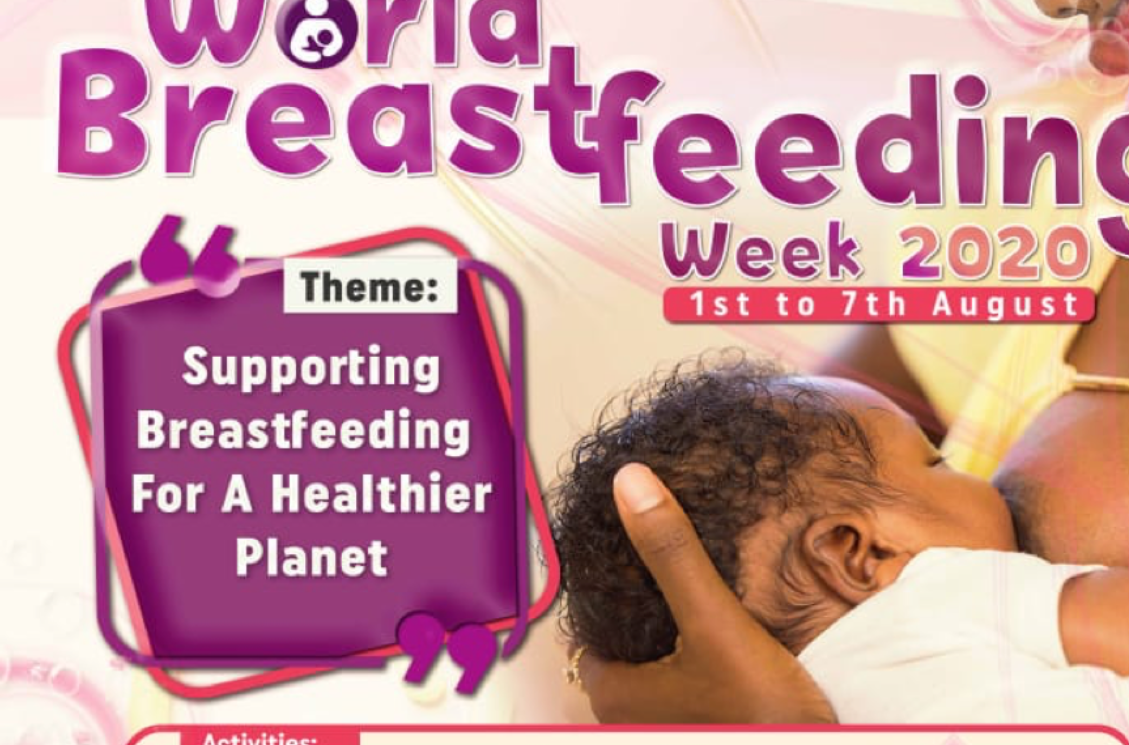
When COVID-19 arrived in Nigeria, Dr. Okolo, working with her team of resident doctors in the Pediatrics Department, adapted both her clinical work and the various child health initiatives with which she was involved.

Ms. Mongeau co-founded M-SHULE, a low-cost, subscription-based mobile learning platform delivered through SMS designed to supplement children’s regular education by delivering refresher content and practice exercises directly to their parent’s cell phone.

The Fundación Oriéntame was established in Colombia in 1977, to provide safe post abortion or abortion services, according to the law at different moments in time.

Tejiendo el Barrio – in English, “weaving the neighbourhood” – is a non-profit organization committed to the social development of vulnerated people in a precarious settlement in Buenos Aires known as Playón de Chacarita.

Deeply concerned about intergenerational trauma and the plight that child refugees face, Danielle De La Fuente launched the Amal Alliance in 2018 to empower displaced children through programs that teach the principles of yoga and mindfulness in a fun, kid-friendly way. Their first program, Rainbow of Education, teaches foundational social skills and emotional competencies to child refugees in Greece, Turkey, and Lebanon.
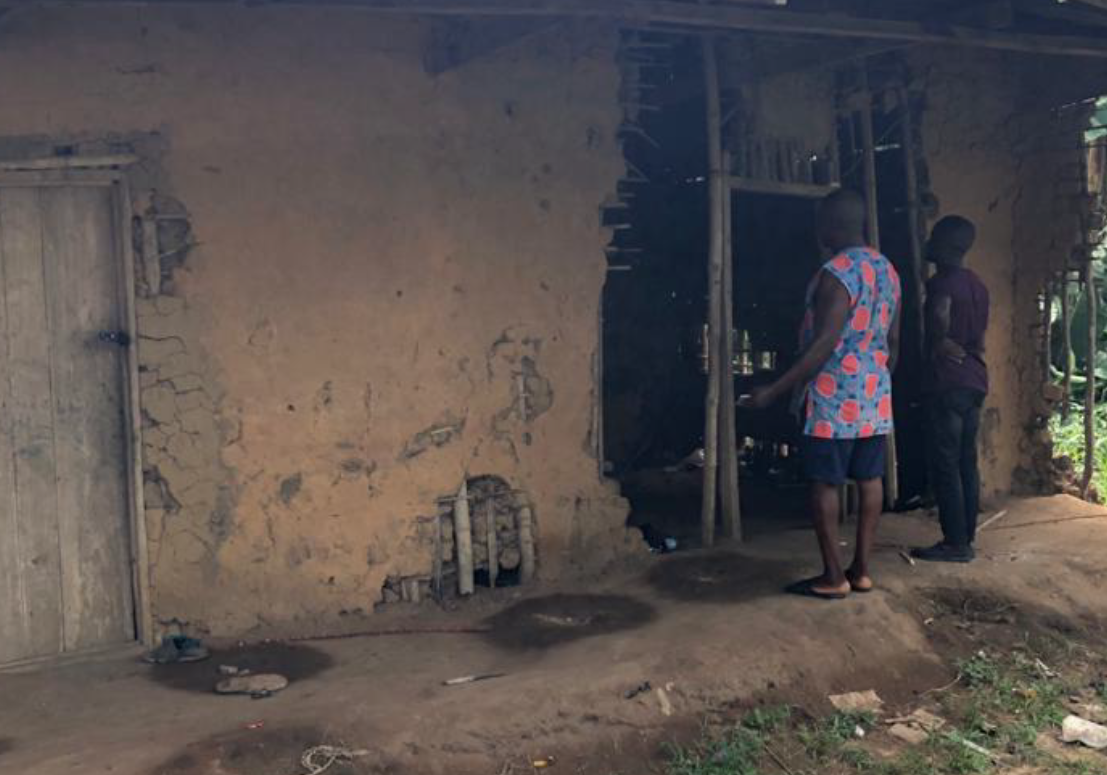
Dr. Bernadine Ekpenyong is a public health practitioner and lecturer at the University of Calabar Department of Public Health in Calabar, Nigeria. While working with two NGOs to feed and care for street children, Dr. Ekpenyong and her colleagues realized that other groups were also doing this; seeking to coordinate efforts and avoid duplication, they formed a coalition.

Gradian Health Systems is a non-profit social enterprise specializing in the development, distribution, and maintenance of medical equipment for resource-constrained settings. In addition to designing and distributing medical devices for such settings, Gradian seeks to equip health care providers with the skills and technical support required to operate and maintain those devices over the long term.

Jusoor’s refugee education program, offered in three centres in Lebanon – Beirut, Jeb Jenin, and Jurahiya – has supported thousands of Syrian refugee children and youth through a series of learning tracks.

Mr. Ilaquiche and the Guangaje district developed an impressive adaptation to a severe set of educational challenges in the pandemic. Their response is a notable example of how creativity and cooperation can go a long way even in an under-funded system.

The Colectivo Sociocultural La Bicicleta de Calama (the Social and Cultural Bicycle Collective of Calama) serves a mining community in northern Chile. When COVID-19 struck, the Colectivo created volunteer “brigades” to meet urgent needs and organized music, art and educational programming for children and youth.

The Max Foundation supports water, sanitation, and hygiene programming to foster a world where children no longer die from preventable diseases. As COVID-19 struck Bangladesh, the Foundation creatively mobilized its network of national, regional, and local partners to deliver to families practical information about COVID-19 and about nutrition, hygiene, and sources of financial aid.


